
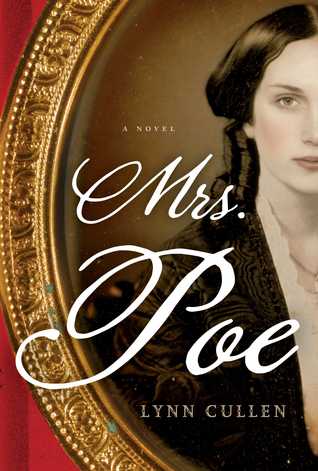
That is what Lynn Cullen’s book Mrs. Poe creates. It is told from the point of view of Francis Osgood, who was herself a poet. It begins in the winter of 1845 and end in the winter of 1847. I read the book over this past weekend, eagerly devouring the pages and delighting in how she wove the poetry with the history with her imagined events. The depictions of Poe and his wife seemed true and I liked to have various authors from that time period walk on stage at the conversaziones at Miss Lynch’s house — Melville, Whitman, Emerson, Alcott, Fuller.
Cullen was excellent at contrasting the freedom of a male writer to write all kinds of macabre tales and poems and the constriction of a female writer to produce only children’s literature, flower poetry, and other such things. The big question becomes where did Poe get all the inspiration for his tales of horror? Cullen ponders the dichotomy between the man (cultured, intelligent, controlled) and the stories (obsessed, violent, lurid).
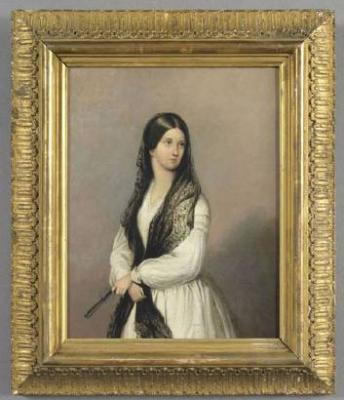
When Osgood is sketching Mrs. Poe in preparation for painting her, Cullen gives Osgood a great comment about art: “What you call color and form are simply patterns of light…Oddly enough, while looking for light on the outside, I often find alight from within. I cannot explain how that works. Instinct, I suppose” (226).
The climax of the book is rather disappointing — in seems too much of a Hollywood, movie episode. Too predictable by far which was too bad given the engaging characters.


 Who needs to think?