
The new semester started two weeks ago.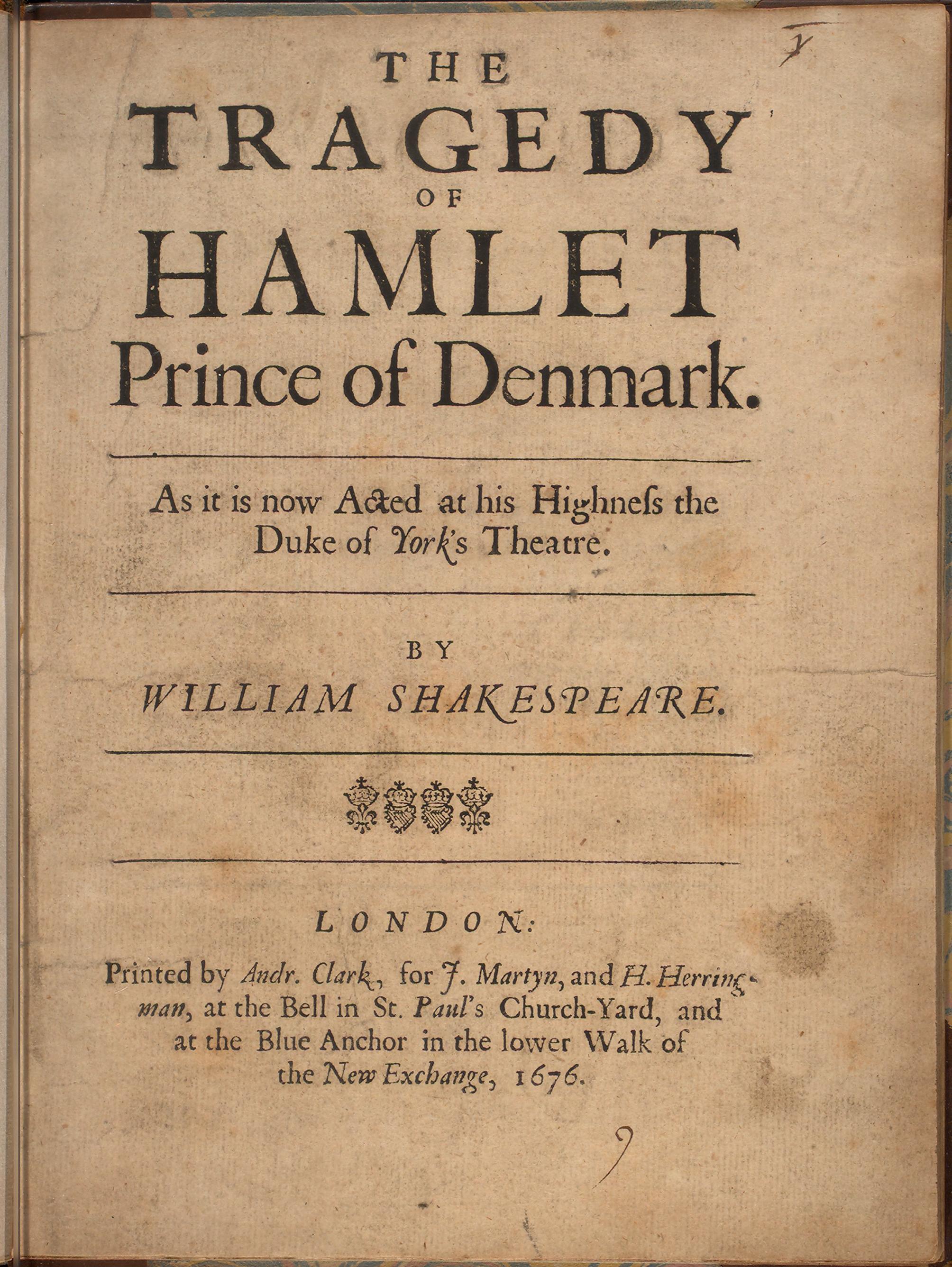
The eleventh grade began Hamlet. They always face Shakespeare with trepidation: the language, the syntax, the allusions, the vague pronouns, the metaphors, the similes. It all gets so overwhelming.
But this year something very different happened.
I set up the play as I usually do: Hamlet is unhappy because his uncle Claudius has taken over the kingdom and married his mother. The students are outraged because they recognize that Hamlet should be king and not Claudius. So they talk about illegitimate rulers and power grabs.
Then we look carefully at Claudius’s first big speech in Act 1, scene 2 which is his big entrée. In terms of the play, this is his first address to the court and the audience after taking power and marrying Gertrude. He acknowledges his brother’s recent death but then says redirects everyone’s attention to himself: “Together with remembrance of ourselves.” Then he talks about how the marriage to “our sister, now our queen” happened so fast that the court experienced “With mirth in funeral and with dirge in marriage.” He seems to suggest that all his advisors and the court approved of the marriage: “nor have we herein barr’d / Your better wisdomes, which have free gone / With this affair along.” A student mentioned that this statement suggests that there was some disagreement that Claudius was squelching.
Now at this juncture, little side conversations broke out over the room. I heard someone say a politician’s name.
We kept going and they noticed how Claudius makes a big show of how he is combating Fortinbras’s threat to the kingdom by sending his own envoys to talk to the King of Norway. They also noticed how Claudius is worried about the envoys overstepping their authority and limits them: “Giving to you no further personal power / To business with the king, more than the scope / Of these delated articles allow.”
Again, little side conversations erupted and I paused to observe and they took a moment to settle and looked a bit shamefaced. Now what could they be talking about?
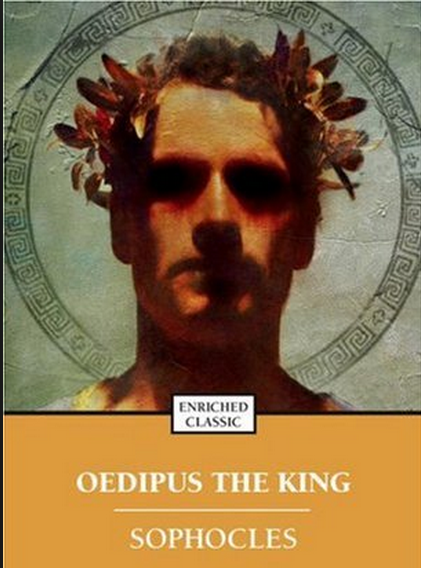 Something very like happened in the 10th grade when we began Oedipus by Sophocles. Again I had to set up the context before we started reading by telling them that the city is suffering from a horrific plague. All the people come to see Oedipus begging him to save them. I talked about how they are all throwing themselves before him but that he cannot cure the plague. No one realizes this yet in the play, but Oedipus is the cause since he unknowingly murdered the rightful king Laios, who was also his father. I talked about how in Ancient Greek society there is the idea that if the king is bad, the entire city-state suffers.
One girl just burst out, “Just like Trump.”
I had to redirect her.
But they are making these connections between the literature we are reading in class and the world outside of class. I can think of few times when they saw these connections in such a real, immediate, and obvious way.
My colleague who teaches Julius Caesar experiences the same because in the first scene all the citizens of Rome are out in the street protesting because they don’t like what their government is doing.



 Who needs to think?