
When grading all the papers and exams, averaging grades, writing final comments, attending faculty meetings, tidying up the classroom, and bringing books home is finally done, then a teacher can smile and have a glass of wine on the porch and talk idly to those she has rather neglected during those last few harried weeks.
Yet even then, she has a to-do list already written of everything that needs to be taken care of during the days of summer when she can sit around the house waiting for hours for the workman who does not come in his stated window. I have collected a series of tasks to accomplish and they include:
- taking our 20-year-old walnut dining room table to be refinished at the wood shop that built it in Lancaster County
- having the plumber fix the faucet handle that won’t turn and the kitchen faucet that keeps tipping over when we are doing dishes
- collecting estimates to have the driveway re-blacktopped
- collecting estimates for the back patio to be redone
- taking my grandmother’s cedar chest to a repair shop so they can fix the veneer
- finding homes for an old air conditioner and desk
Some of these things are already checked off my list but others will stretch through the summer.
But the summer for teachers is also a time to rejuvenate and regain lost patience, idealism, and optimism. Sometimes teaching is just wearing. Some lessons go incredibly well. But a few do not and those I remember most of all. And in a similar way, I don’t remember those phenomenal papers written by my best students — although I certainly enjoy reading them when I am grading a stack of 30 papers. And here I am going to break my parallel grammatical structure: I remember those students who did not write strong papers because they did not have a focused thesis, or they lacked textual evidence, or they did not analyze for diction and symbolism and draw inferences. I remember grading those papers and feeling despondent for those students that I knew had worked hard and hoped to write their best paper and did not for a variety of different reasons. Those students and those papers are the ones that make me over the summer rethink or re-envision lessons, assignments, and assumptions.
So this summer I intend to get all those little tasks accomplished, read books that I want to read, do some creative writing, try listening to an audiobook while knitting on my latest project, and spend time with my family and dearest SH. And I will also do some work on my teaching practice.

 My mom is an accomplished teacher, baker, knitter, crotcheter, spinner, and quilter. There is very little she could not do if she set her mind to it. She has even made with my step-father a kayak. She has tried woodworking but tends to leave that to my step-father (who BTW possesses many accomplishments such as spinning yarn which is very very very thin).
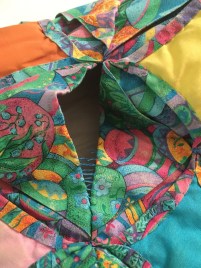 repair but after going through the washer and dryer, I noticed that some of the squares had unraveled from each other so I had more minor repairs to make than before it was washed.

 Peter S. Beagle has written another novel devoted to celebrating unicorns. His first one, The Last Unicorn, was published in 1968. This one, In Calabria, was published in 2017, almost 30 years later.


 A couple years ago I planted red raspberries in our garden (wilderness actually) inspired by the neighbor of my sister who lives in Wisconsin. I was visiting my sister and this neighbor (also with Cincinnati connections) invited us over to pick raspberries because they had so many.










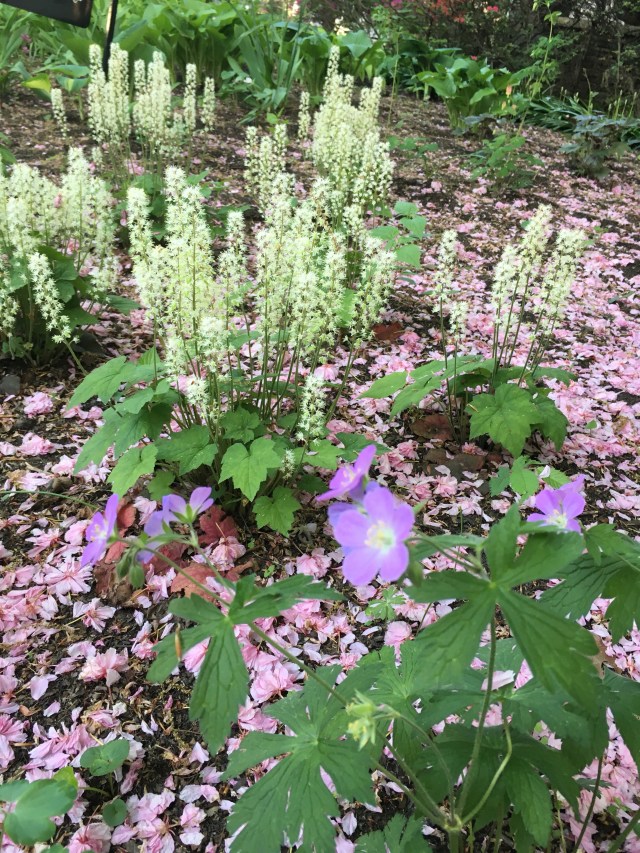

 Here is the most recent one checked out from the library. The Bear and the Nightingale is Katherine Arden’s first book. She studied Russian and French at Middlebury and lived in Russia for a year and her deep knowledge of the Russian language, folklore, and history gives this story its depth and resonance as she weaves together fairy tale elements in a restrained love story between the human female protagonist Vasilisa and the immortal frost demon. This book I read twice to appreciate how Arden wove in appearances by the frost demon at key moments so the ending is completely foreshadowed.
 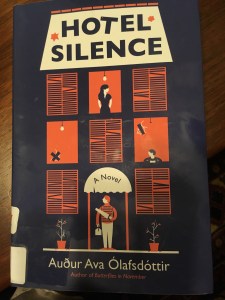 who just feels like his life has no purpose. He does not want to burden his daughter by committing suicide in Iceland so he buys a one-way ticket to a war-torn country (feels like Serbia), brings along his tool box (hey why not?) and checks into a hotel. Gradually he does find a new purpose as people there ask him to fix things for him.
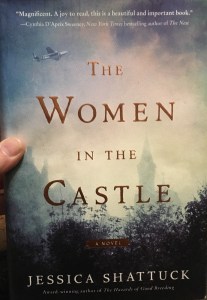 Germany before, during and after World War 2. The third person narrative point of view shifts between three female characters and tells the story of their lives during the way and the decisions they made: either acquiescing to the Nazis or fighting against them. But each woman trying to protect their children. Sometimes the women support each other but there is a great deal of judging going on because the women are sometimes myopic. This novel I found both eye-opening and disturbing as Shattuck describes how often ordinary Germans loved Hitler and supported his policies because he alleviated the shame and poverty caused in the aftermath of World War 1 and the vindictive policies put in place by the Allies to punish Germany.
 A Tale for the Time Being. This was another book which we thought might be good for summer reading. The narrative structure is interesting as it oscillates back and forth between a young teenager living in Japan and contemplating suicide (again) and a woman living in the Pacific Northwest who finds the girl’s journal washed up on shore and begins reading it. It became a definitive no when I got to the part where the young girl becomes a sex worker! The tale ends with some magical realism to conclude the strands in a positive way, but I admit I rushed through that because … well, because I found the story a bit wearying.
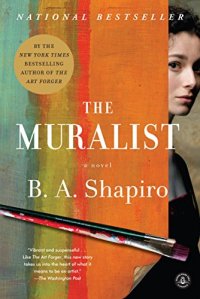 .
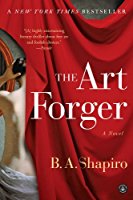
. 
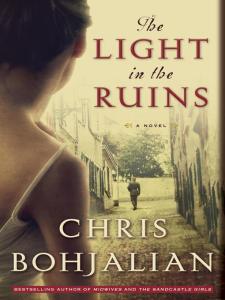 my list to read for years — collected from a New Yorker advertisement. This book was hugely disappointing because it was just too brutally violent and seemed to be a proposal for a movie script.
 Who needs to think?